Long-Term Projects
Drilling in Mont-Ngafula
The DRC possesses enormous water resources (more than 50% of Africa's), but lacks the infrastructure to distribute them. Drilling addresses this shortage, especially in rural areas where access to drinking water is very low (approximately 30%).
In short, drilling in remote areas of the DRC is a matter of survival and development, meeting a fundamental need through solutions adapted to the country’s geographical challenges.
Drilling is carried out in remote areas of the DRC primarily to bring drinking water to where it is desperately needed, thereby reducing waterborne diseases (cholera, diarrhea), lessening the burden on women who travel long distances, and improving the overall quality of life, while using more mobile manual drilling techniques to reach these isolated areas inaccessible to large trucks.
Main reasons
- Public health: This is the primary reason. Unsafe water is a major cause of diseases such as cholera, diarrhea, and amoebiasis. A borehole provides a source of clean and safe water.
- Access and distance: In Lutendele, women travel for miles to find water. Boreholes bring this resource closer to homes, saving time and energy.
- Survival and development: Access to safe drinking water is a vital need and a driver of community development, improving livelihoods and reducing infant mortality.
- Adaptation to difficult areas: Manual drilling techniques (less cumbersome and mobile) are used to reach isolated areas where heavy equipment cannot go.
- Emergency response: Boreholes allow for rapid intervention to provide safe drinking water in emergencies and to combat epidemics.
Installing drinking water boreholes in the DRC is crucial for combating waterborne diseases, reducing mortality (especially infant mortality), improving health and hygiene, easing the workload of women and children who travel long distances, and enabling communities to access a vital but often scarce resource, thereby improving education and overall living conditions.
Main reasons for installing boreholes:
Health and safety:
Drastic reduction in waterborne diseases (cholera, diarrhea, typhoid).
Decrease in sexually transmitted infections (STIs) and HIV, as clean water reduces contact with unsafe water sources.
Lower mortality rates, particularly among children under 5.
Time and effort savings:
Women and children no longer need to walk kilometers to fetch water, allowing them to focus on education or other activities.
Reduction in daily physical workload.
Access to a vital resource:
Provides a reliable water source, even during periods of scarcity, in the face of failures in existing distribution systems (Regideso). Meets a basic need and improves domestic hygiene.
Community development: Overall improvement in living conditions and community resilience.
Facilitates access to education for children, allowing them to focus on their studies.
Context in the DRC:
The DRC suffers from a lack of access to drinking water, often forcing people to use unsafe water sources (rivers, puddles).
Borrows, often drilled manually or using artisanal methods, represent an effective, economical, and sustainable solution to address this shortage.
The installation of this infrastructure responds to a strong demand from the population to improve their quality of life.
Education Program
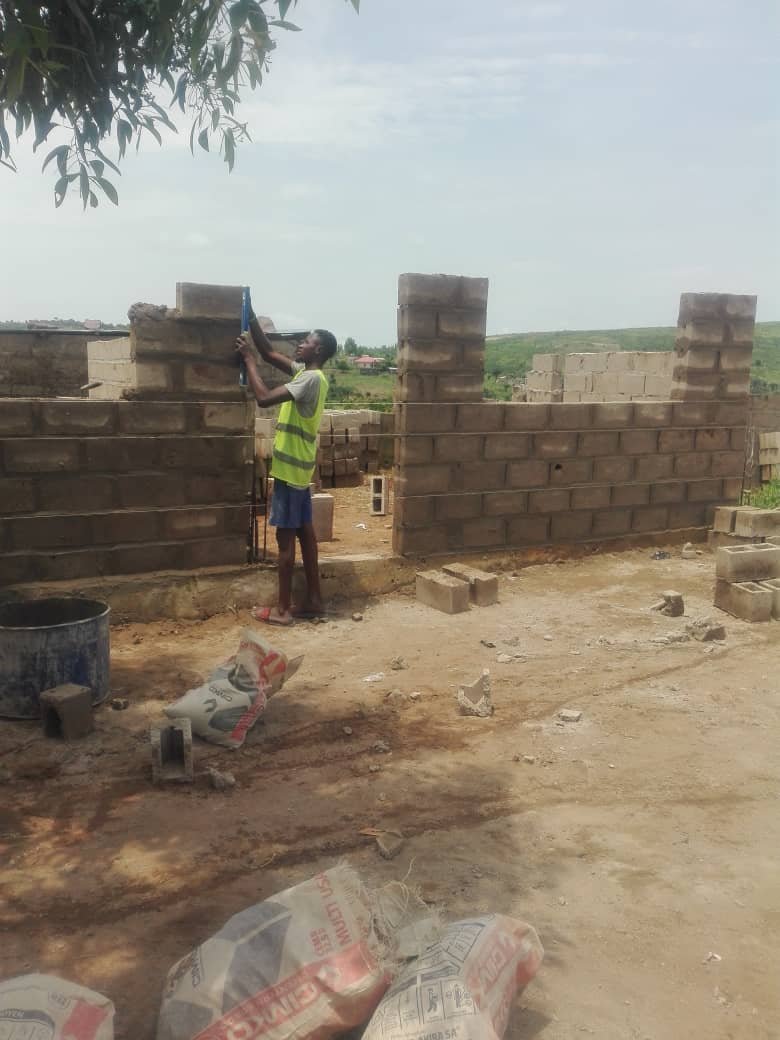
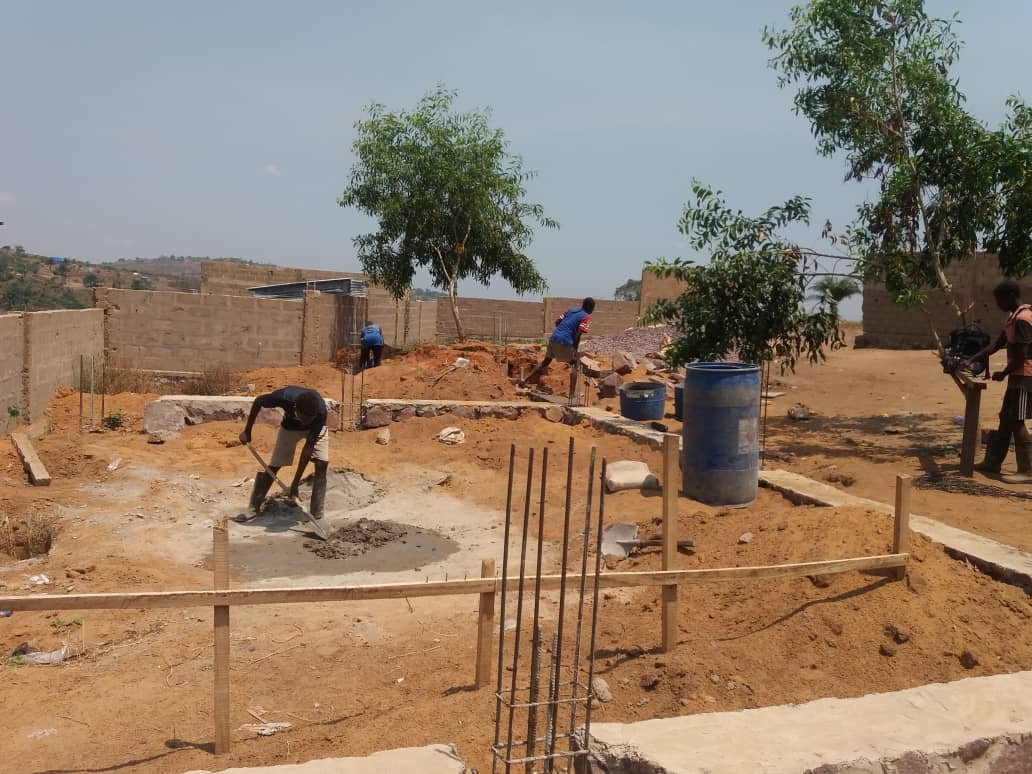
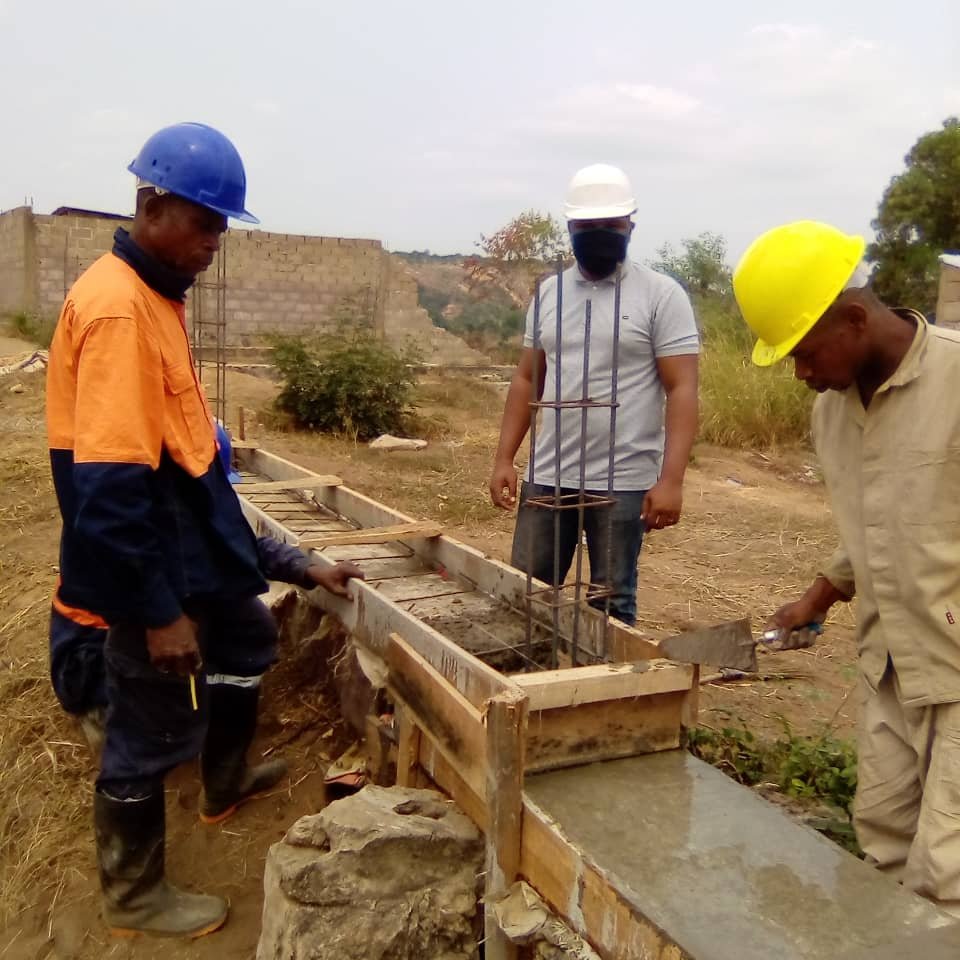
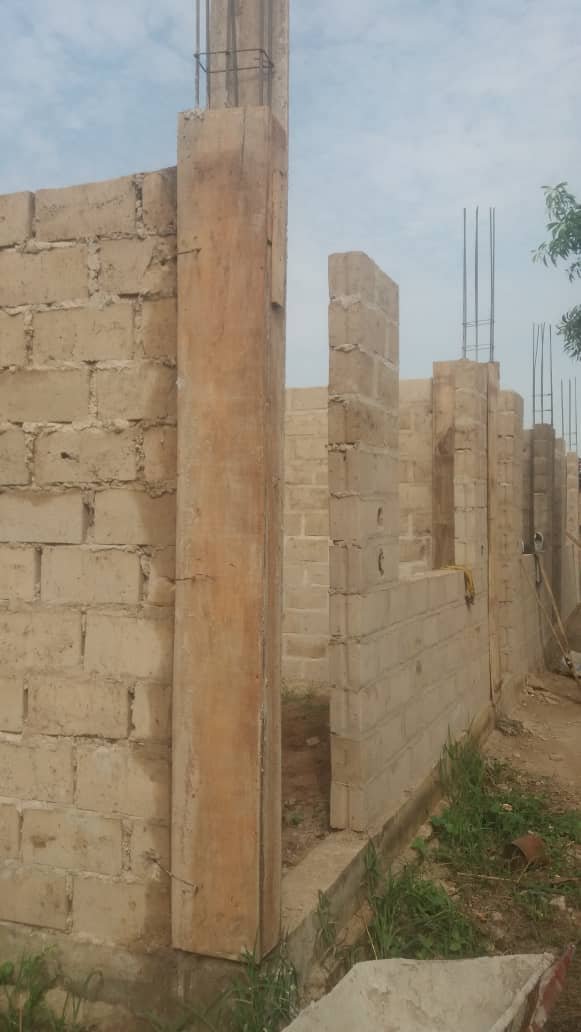
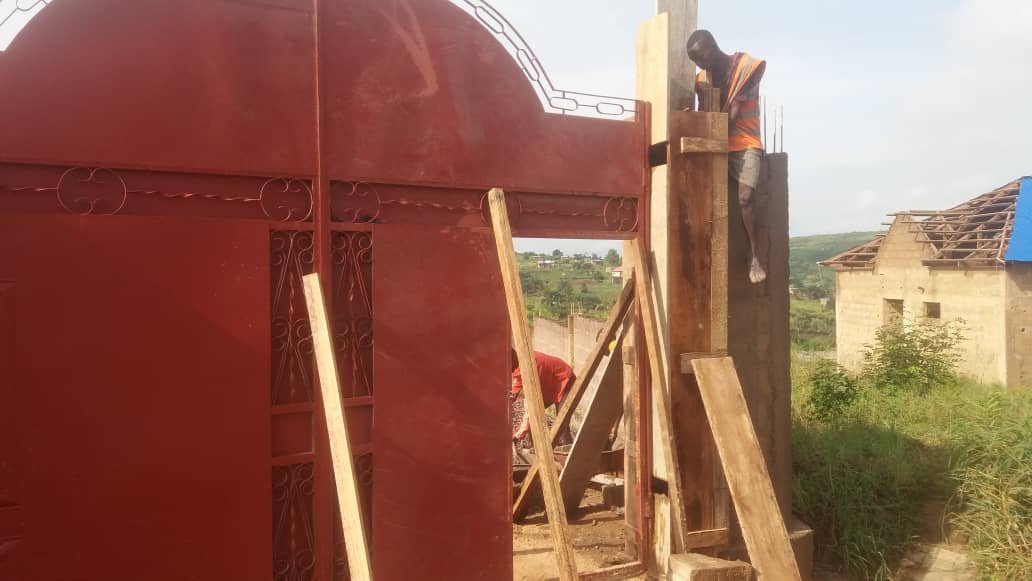
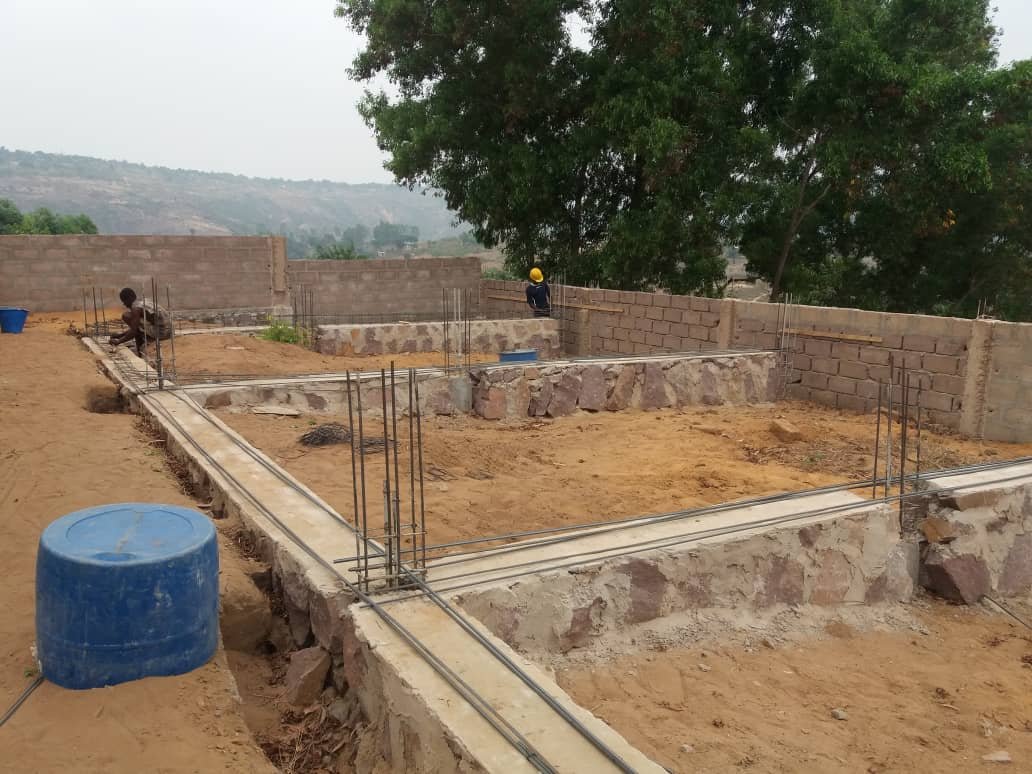
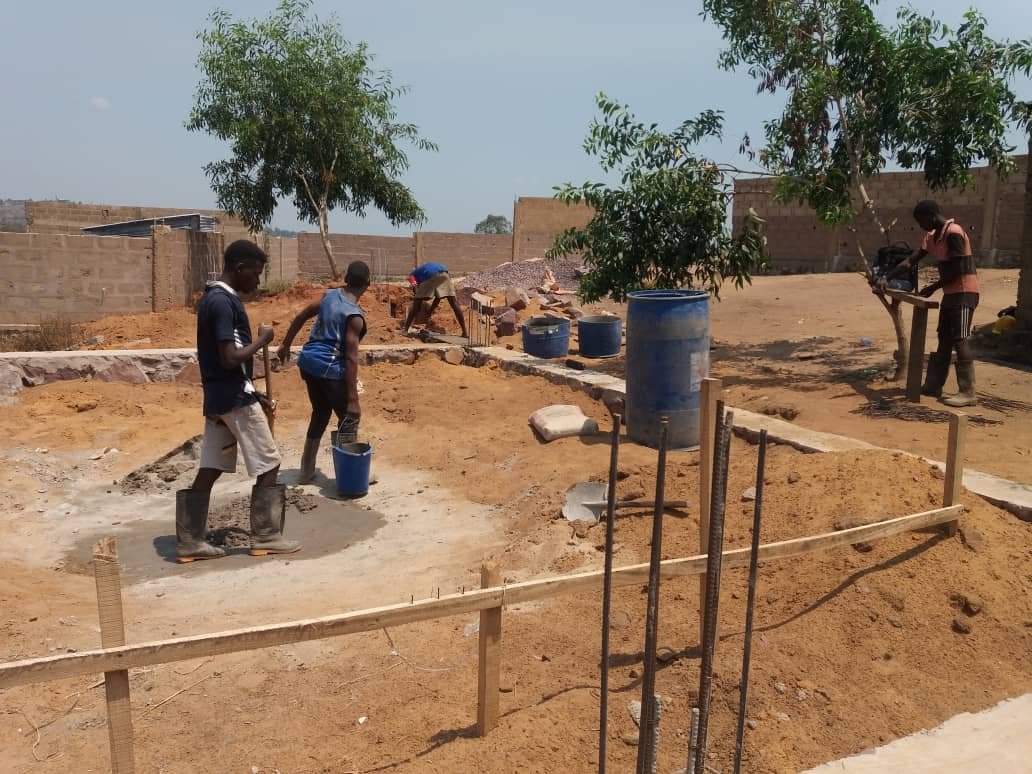
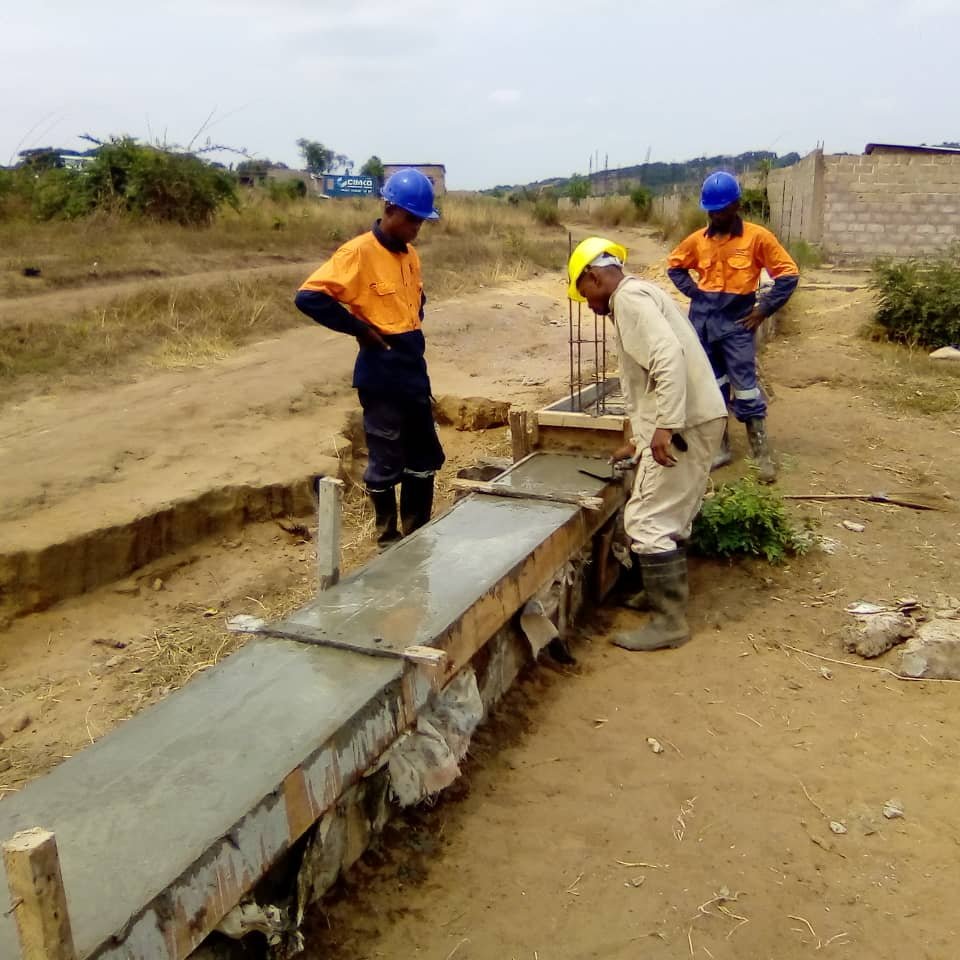
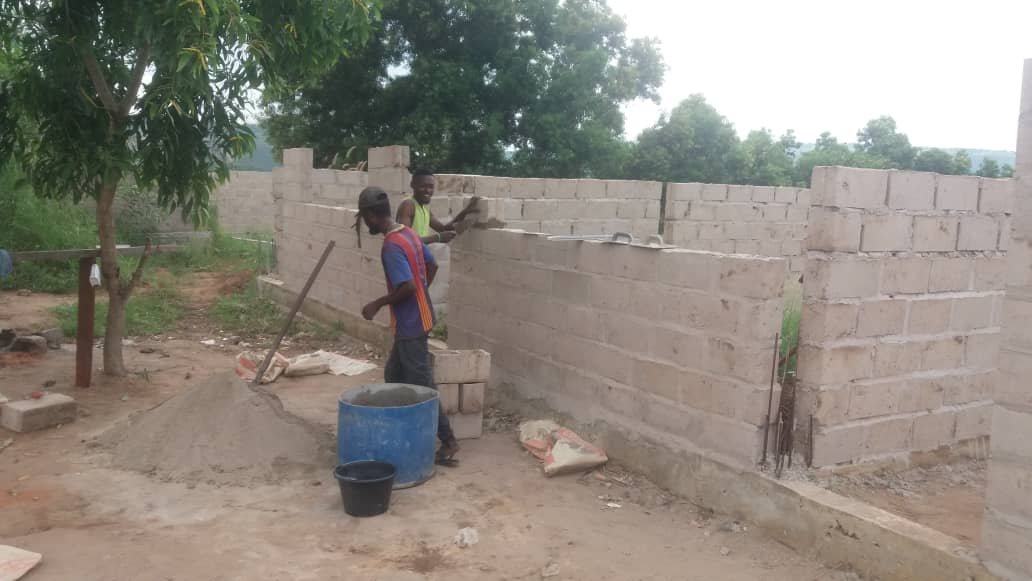
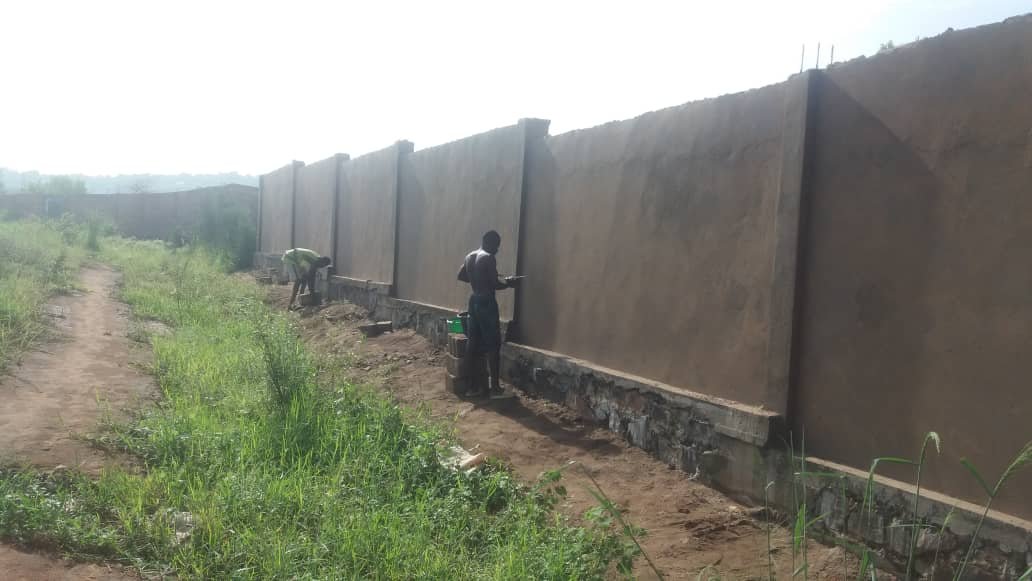
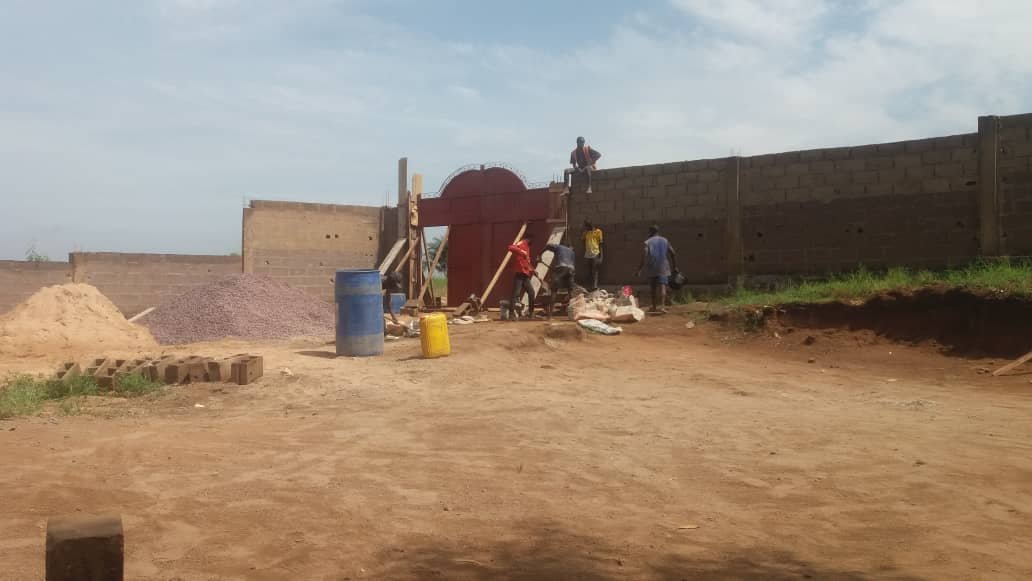
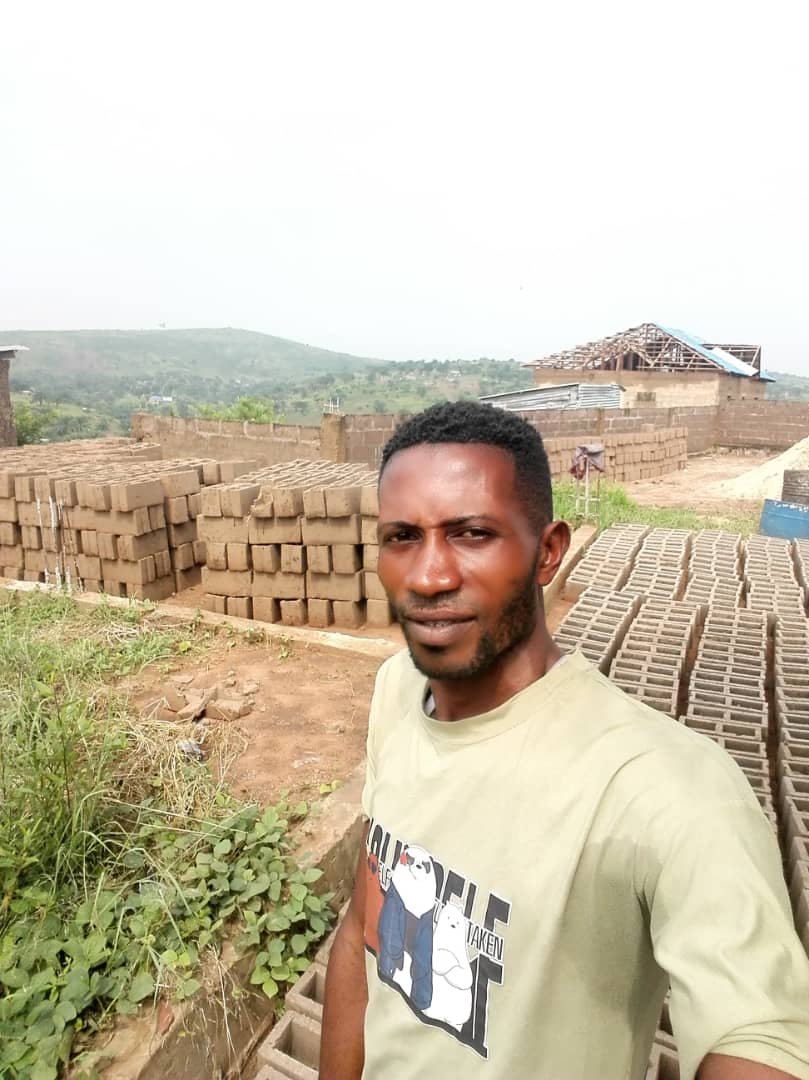
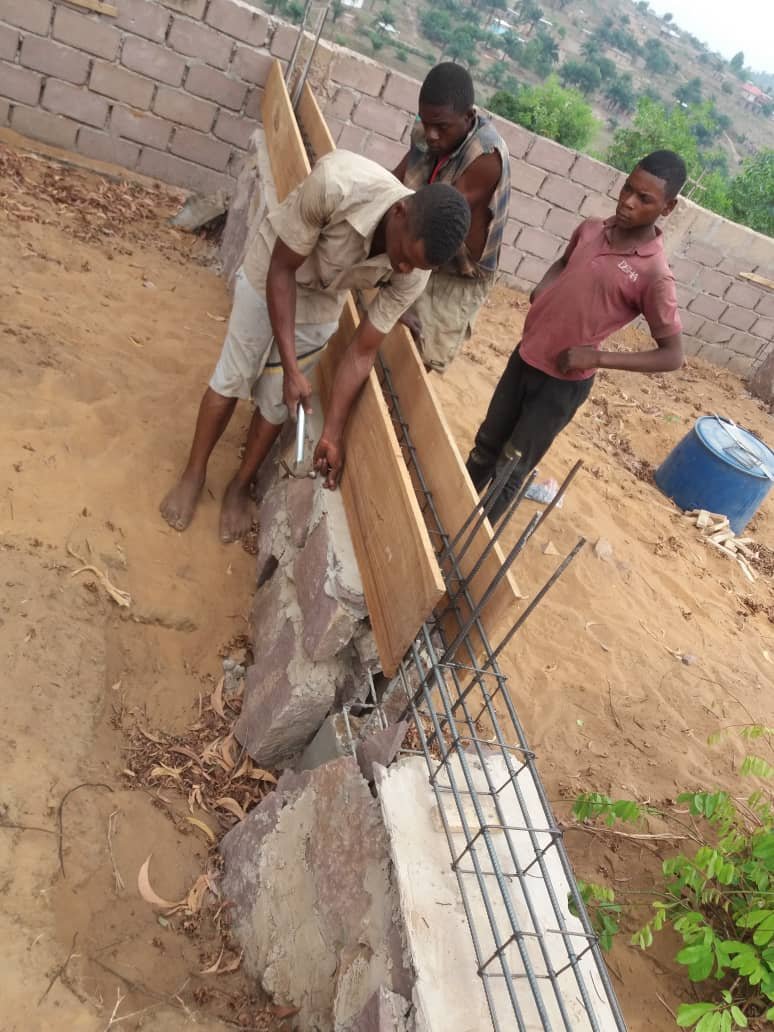
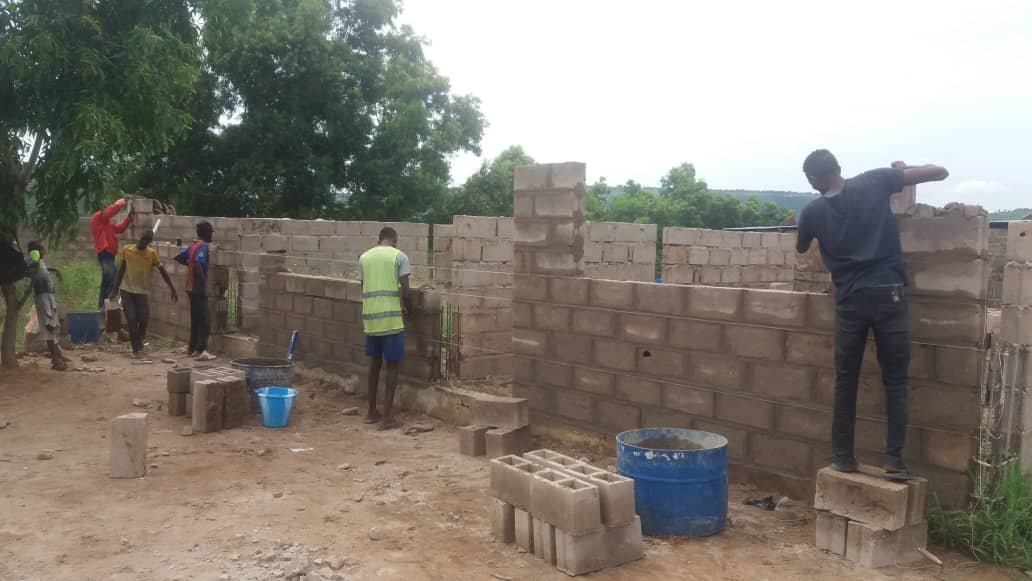
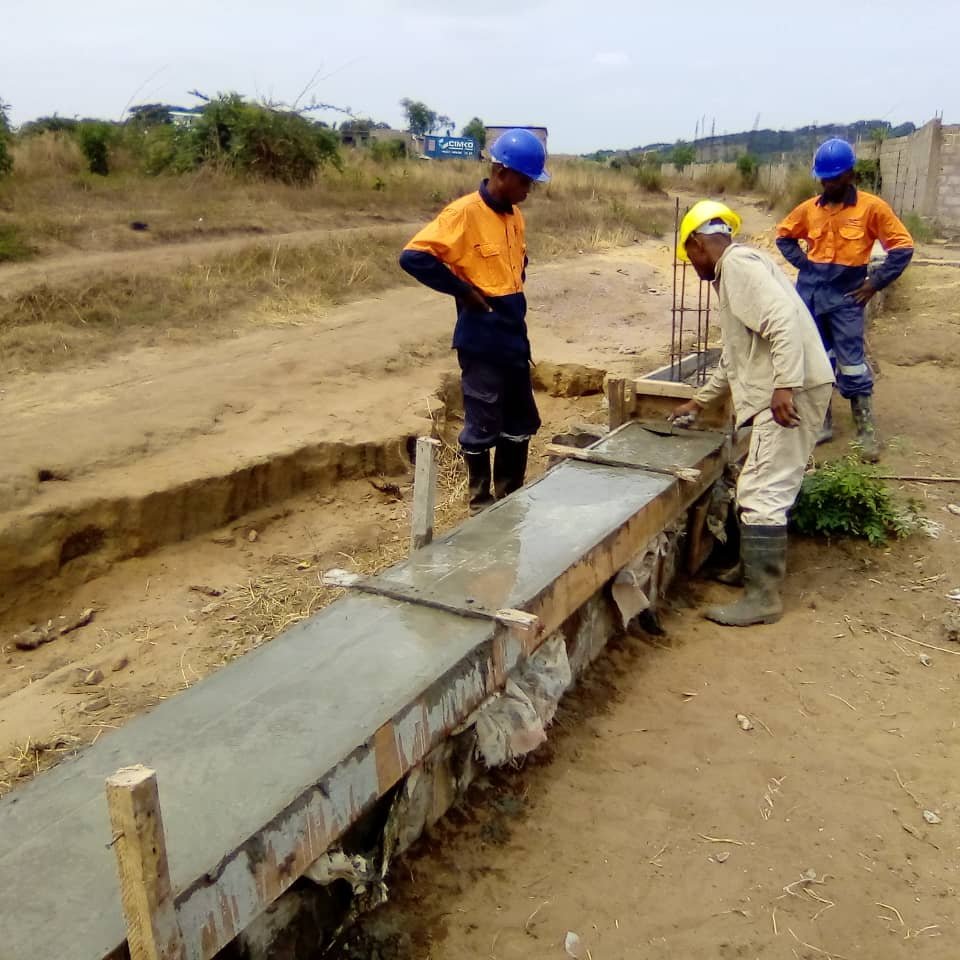
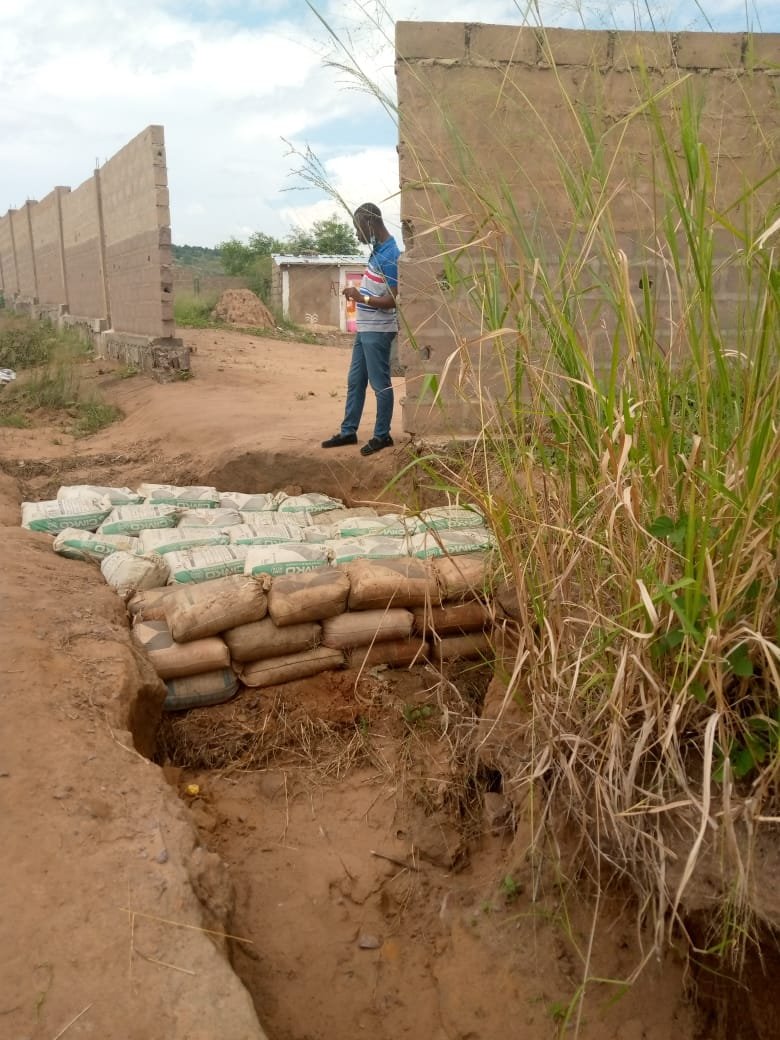
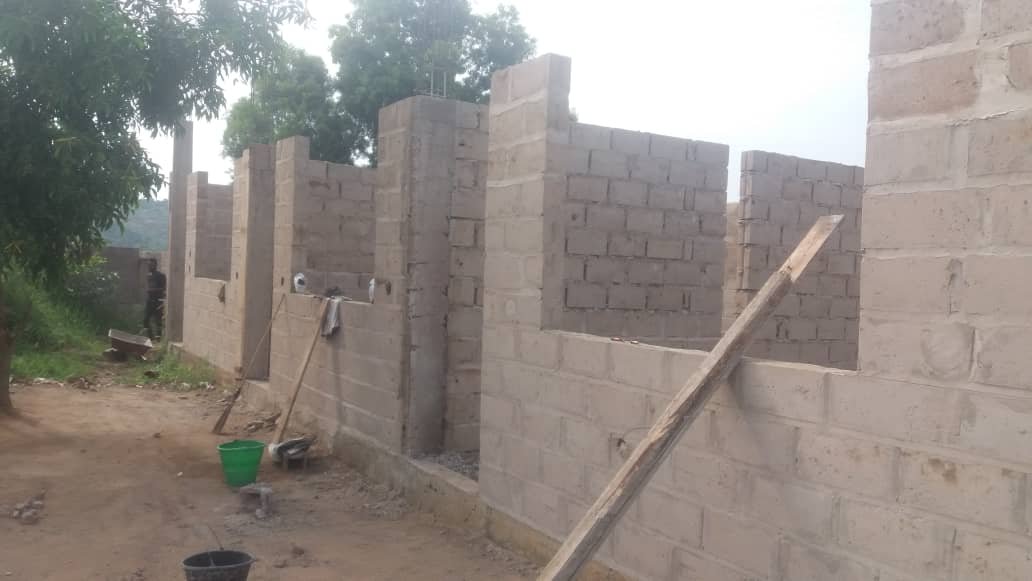
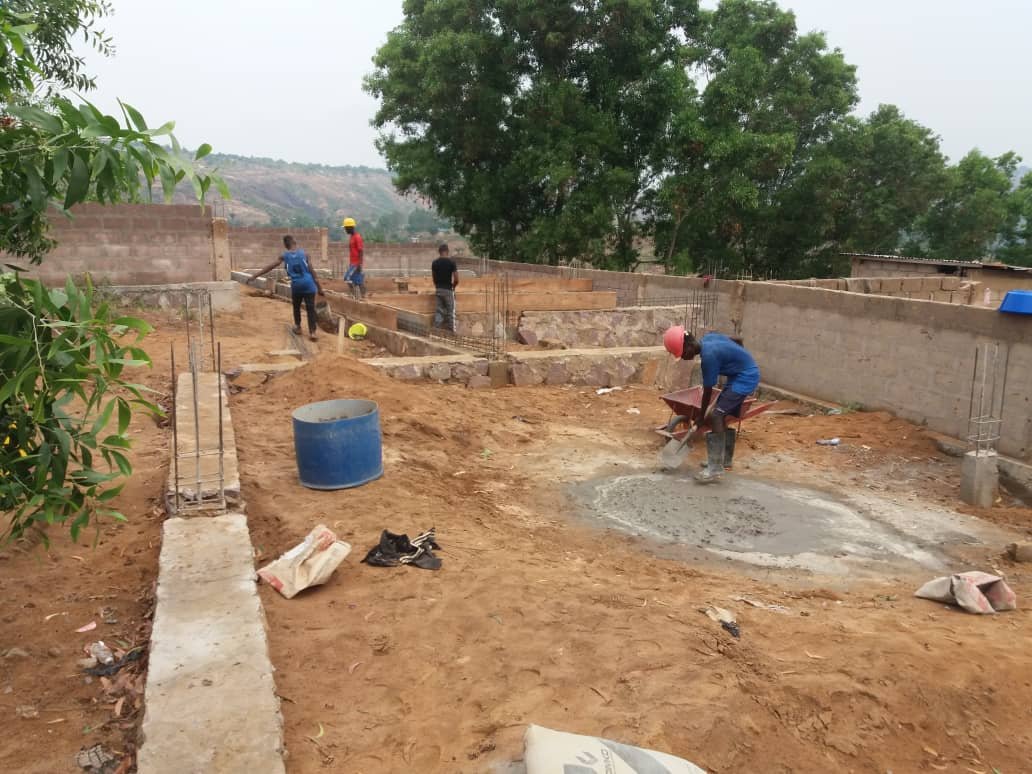
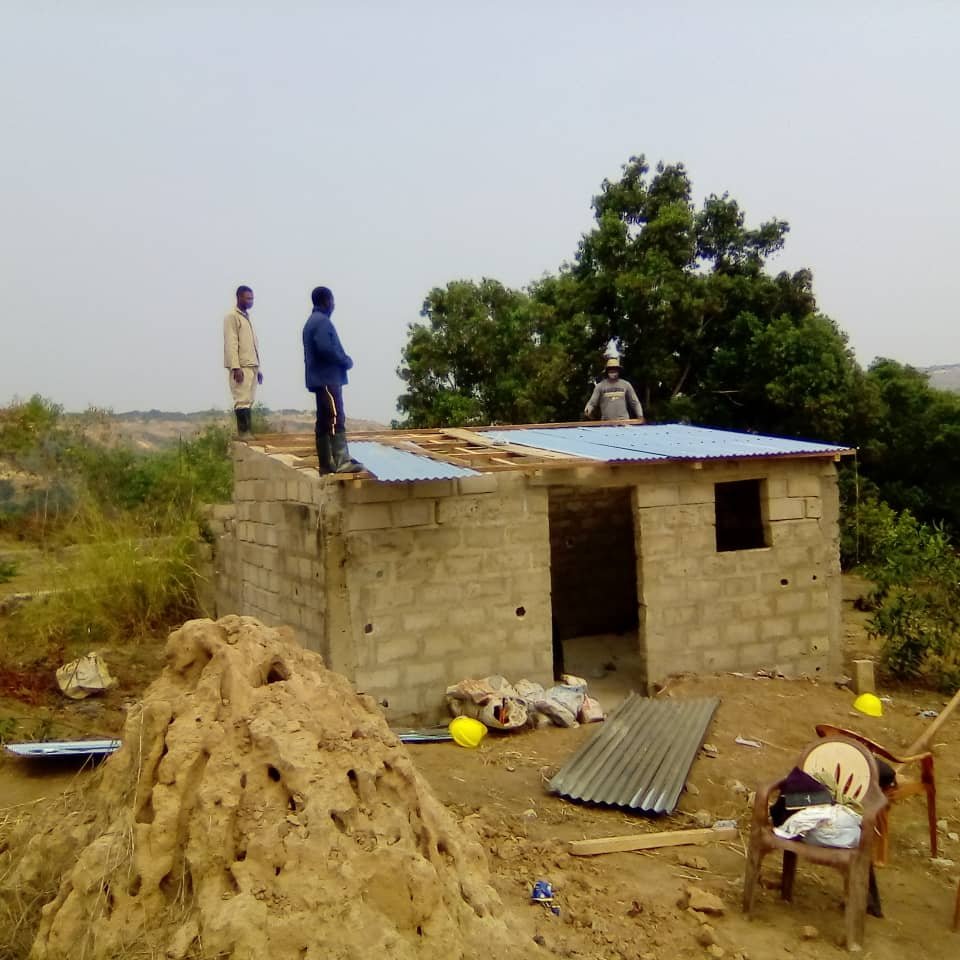
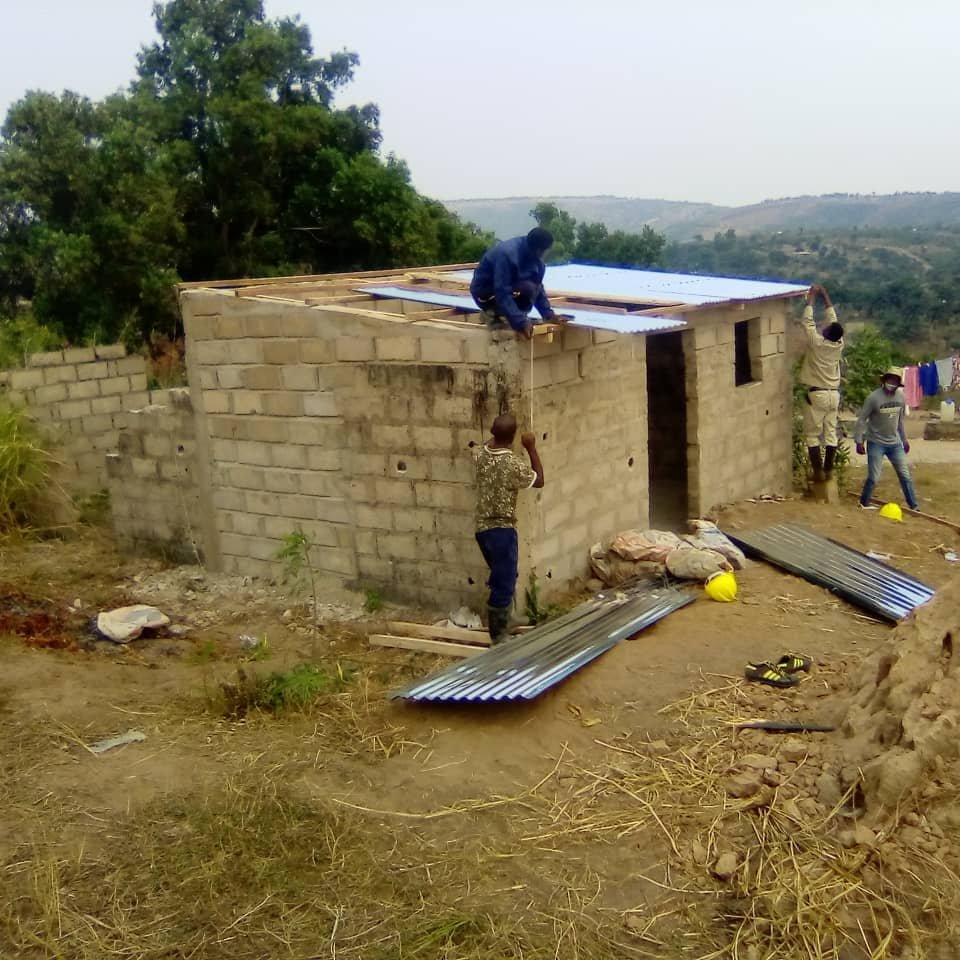
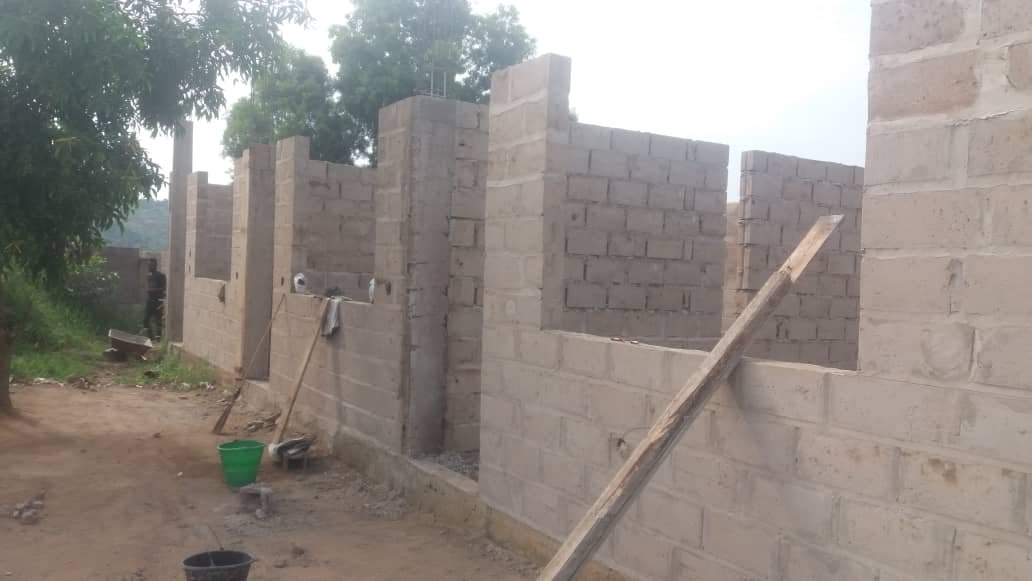
The establishment of schools in remote areas of the Democratic Republic of Congo (DRC) (Mont-Ngafula Lutendele) addresses critical needs for human development, security, and poverty reduction. Here are the main reasons justifying these infrastructures by 2025:
1. Reducing Disparities and Combating Poverty
Universal Access: Approximately 70% of the Congolese population lives in rural areas. Building schools in these areas is essential to achieving the goal of primary education and reducing inequalities between urban and rural areas.
Local Development: Education in rural areas prepares young people to develop their land and boost the local agricultural economy.
2. Responding to Crises and Insecurity
Protecting Children: In eastern DRC, the lack of schools exposes young people to recruitment by armed groups or to homelessness. A school provides a safe environment and hope for a return to normalcy for displaced families.
Emergency Education: With over 2,500 schools closed in Kivu by 2025 due to conflict, creating learning spaces in remote areas or camps is vital to preventing a “lost generation.”
3. Health and Social Stability
Well-being and Hygiene: Schools often serve as hubs for disseminating public health messages and promoting healthier lifestyles.
Peace and Tolerance: Access to quality education is a key driver for fostering tolerance and contributing to the establishment of peaceful societies in historically unstable regions.
4. Territorial Development
Social Infrastructure: Within programs like the 145 Territories initiative, schools are seen as a cornerstone for balancing the country’s development and curbing rural exodus to already overcrowded urban centers.
To support these efforts, organizations like UNICEF DRC and government initiatives are working on constructing school buildings adapted to local contexts.
Pharmacies
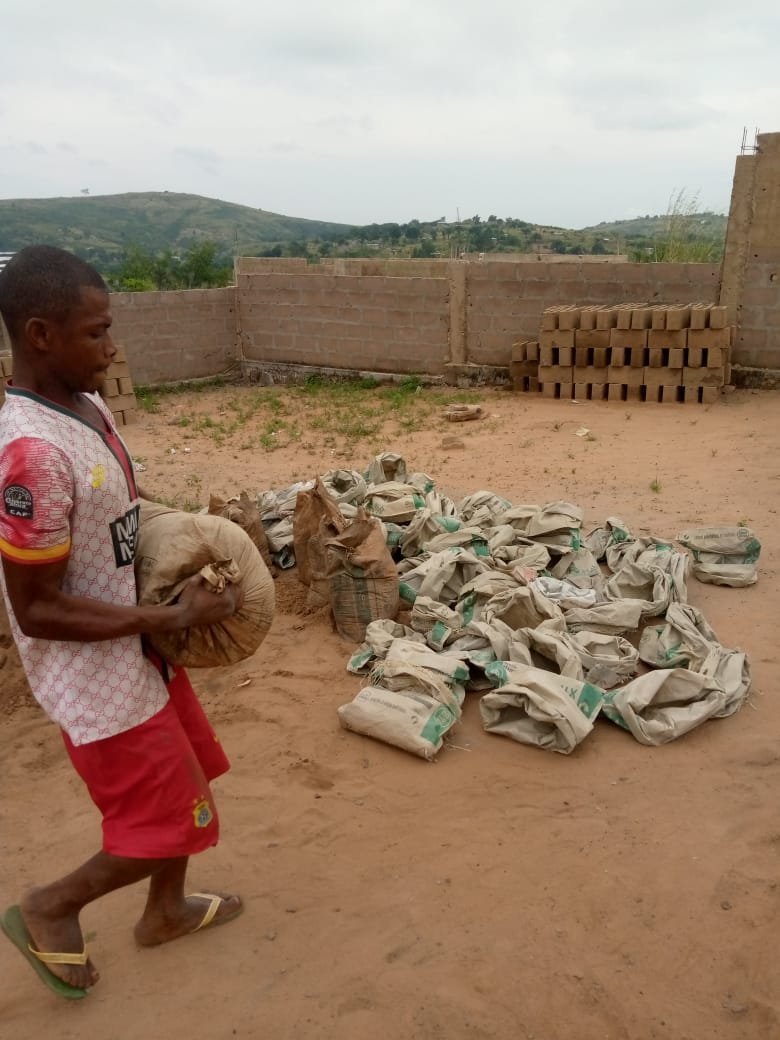
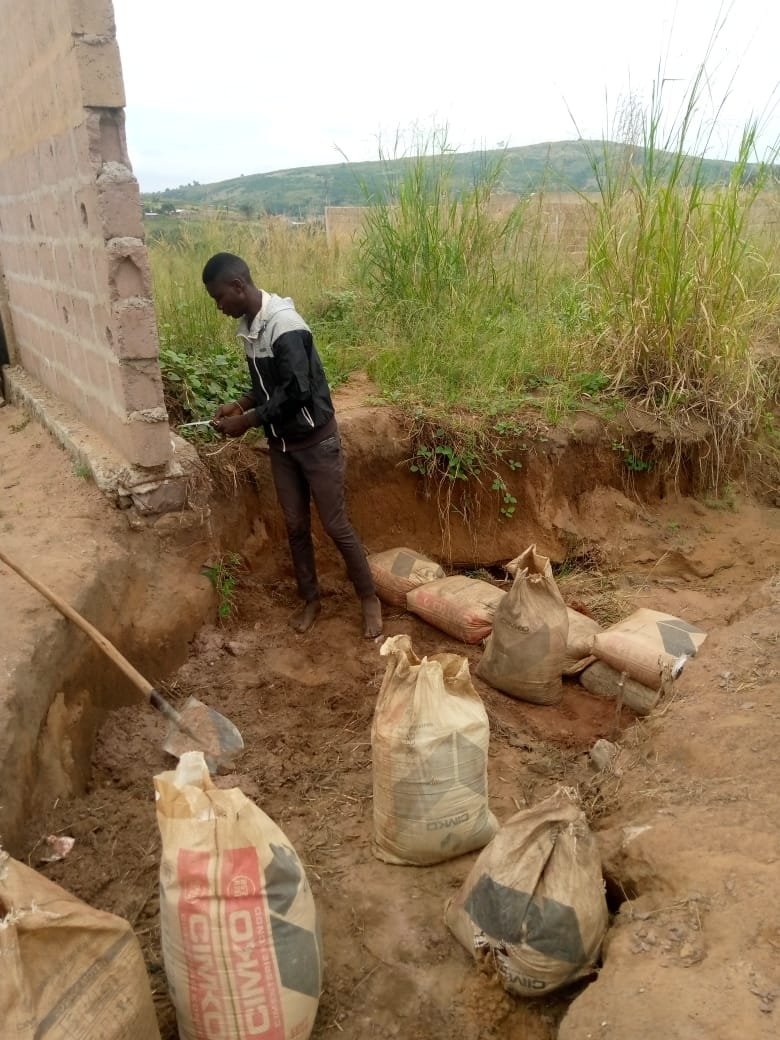
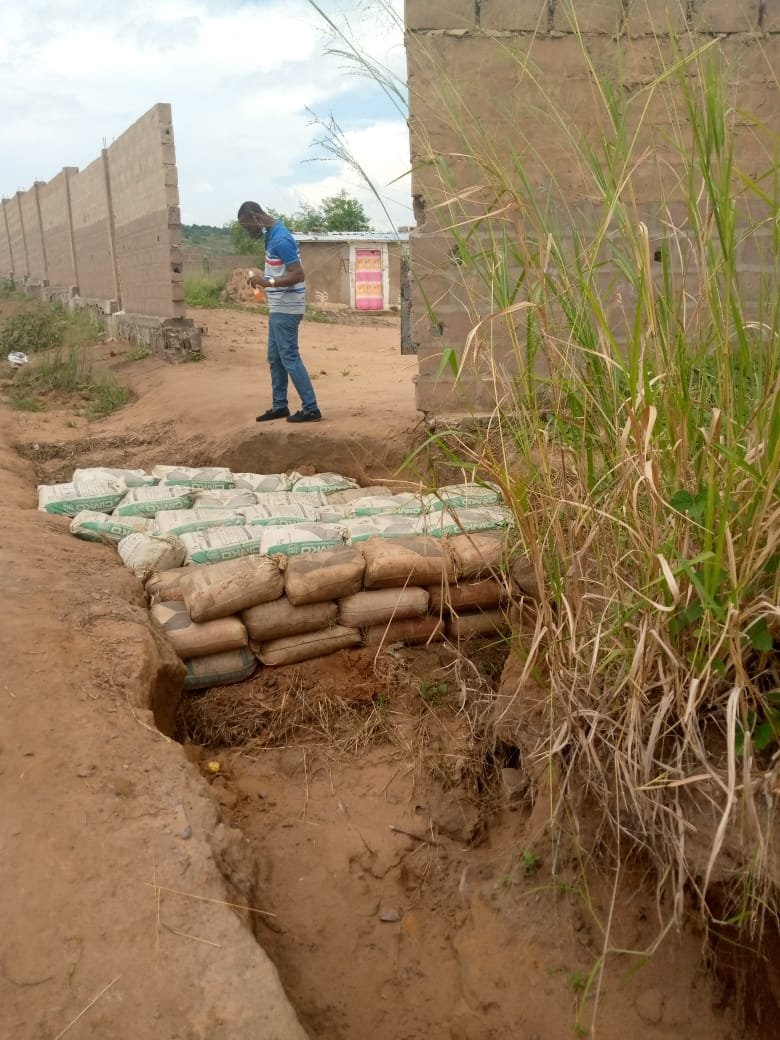
In the DRC (Democratic Republic of Congo), pharmacies are essential for accessing medication and health advice, despite challenges in accessing care and a lack of qualified personnel.
They often represent the first point of contact for the population when faced with illness and play a crucial role in the healthcare system, even though regulations and service quality can vary. Pharmacies help fill gaps in healthcare infrastructure, but their role is complicated by the informal sale of medications, highlighting an urgent need for improved oversight and professionalization.
Role and Importance
Priority Access Point: For many, pharmacies are the first point of contact in case of illness, even before health centers.
Supply: They provide essential medications where hospitals and public facilities are lacking.
Advice and Support: Ideally, they offer personalized advice, although this is often inconsistent.
Mortality Reduction: By facilitating access to treatments (such as for HIV), they help reduce disease-related deaths.
Challenges and Realities
Professionalization: Often, the people behind the counter are not qualified pharmacists, and medications are sold without a prescription, creating risks.
Precarious Conditions: Lack of infrastructure, trained staff, and quality medications.
Informal Competition: Street vendors and unscrupulous pharmacies exist.
Why Focus on This?
Improving Public Health: Pharmacies, when well-managed, are vital links in community health.
Improvement Projects: Initiatives aim to strengthen the pharmaceutical system to improve access to care and reduce deaths.
In summary, pharmacies in the DRC are necessary to fill a healthcare gap, but their development must be accompanied by strict regulations and the training of professionals to guarantee the safety and quality of care for the population.
Clinics in remote areas of the DRC are essential because the health system is weak, with populations isolated by geography and conflict, lacking infrastructure and personnel, exposed to epidemics (measles, malaria, Ebola), and requiring emergency care for violence (particularly sexual violence), malnutrition, and difficult childbirth, often delivered via mobile clinics to compensate for the inaccessibility of fixed facilities.
Main reasons:
Inaccessibility and isolation: Rural areas are difficult to access (poor roads, rugged terrain) and far from existing health centers.
Conflict and displacement: Ongoing violence leads to massive displacement, creating urgent healthcare needs for vulnerable populations and displacement sites.
Lack of infrastructure and personnel: Existing facilities lack everything (staff, medicines, equipment), making mobile clinics and humanitarian aid vital. High health risks: Epidemics (measles, cholera, Ebola), malnutrition, malaria, and maternal health problems are frequent.
Response to specific crises: Mobile clinics are deployed to respond to mass rapes, providing medical care and psychological support to survivors in isolated areas.
Poverty: Lack of financial resources prevents people from accessing quality healthcare, even when it is available.
Solutions implemented:
Mobile clinics: NGOs (MSF, Panzi, etc.) deploy mobile clinics to reach populations directly in crisis zones.
Community strengthening: Establishment of community health sites to bring services closer to people, although this sometimes creates a two-tiered system.
Humanitarian support: Organizations like the ICRC and CARE provide medicines and support to maintain existing facilities.
Clinics
Clinics are needed in the DRC (Democratic Republic of Congo) to fill enormous gaps in the health system, provide local care (especially in remote areas), manage emergencies such as malaria and humanitarian crises (violence), and provide specialized care often unavailable elsewhere, particularly for vulnerable displaced populations, highlighting the need for a medical presence where access is most difficult.
Main reasons for the existence of clinics in the DRC:
Meeting basic needs: Treating common illnesses such as malaria, diarrhea, and other primary health problems.
Access to care: Making medical services accessible in areas where hospitals are scarce or nonexistent, particularly in rural areas.
Emergency response: Rapidly deploying mobile clinics to respond to humanitarian crises, such as sexual violence, providing immediate medical care and psychological support. Specialization: Offering more specialized services than basic healthcare facilities, addressing specific needs.
Support for vulnerable populations: Reaching and treating displaced persons or those affected by conflict, who are often deprived of assistance.
System improvement: Complementing existing infrastructure to improve the overall health of the Congolese population.
In short, clinics in the DRC, often mobile, are vital for the survival and well-being of populations, especially those affected by instability and a lack of infrastructure.
Pharmacies are needed in remote areas of the DRC to address the critical lack of access to healthcare caused by remoteness from urban centers, a lack of infrastructure and qualified personnel, the high cost of care, and insecurity. These pharmacies are essential for providing access to basic medicines and health advice for marginalized populations.
Why these pharmacies are crucial in remote areas:
Access to basic healthcare: Residents do not always have the means to travel to the city. The local pharmacy becomes the first point of contact for healthcare, even if it is not always managed by a licensed pharmacist.
Filling the gaps in the healthcare system: Public health facilities are often dilapidated, lack medication (shortages), or are inaccessible due to conflict, making private pharmacies essential.
Proximity and trust: They offer a local resource where people can obtain medication and advice, even from trusted individuals, fostering close relationships.
Survival in the face of disease: Faced with epidemics and high infant/maternal mortality, rapid access to essential (even basic) medications is a matter of survival, as emphasized by NGOs like Doctors Without Borders.
Addressing self-medication: The high cost of healthcare leads to self-medication; pharmacies, even informal ones, meet this need, despite the risks involved. Persistent challenges:
Quality and training: There is a shortage of trained pharmacists in these areas, often resulting in less qualified individuals working behind the counter, despite the risks.
Drug shortages: Supply disruptions are frequent, exacerbating the health crisis.
Conflict and infrastructure: Instability and a lack of infrastructure limit the opening and operation of these pharmacies.
In summary, pharmacies in remote areas of the DRC are vital for survival, compensating for structural deficiencies and remoteness, although they operate within a context of major challenges related to the quality of services and access to medicines.





upcoming events
Join Our Next Mission
Disaster Relief To Africa
12
-
12 September, 2026
-
Malang, Jawa Timur
Lorem ipsum dolor sit amet, consectetur adipiscing elit.
Your Donation Today Can Create Hope and Transform Future.
asked questions
Everything You Need to Know About How to Donate!
I am item content. Click edit button to change this text. Lorem ipsum dolor sit amet, consectetur adipiscing elit. Ut elit tellus, luctus nec ullamcorper mattis, pulvinar dapibus leo.
I am item content. Click edit button to change this text. Lorem ipsum dolor sit amet, consectetur adipiscing elit. Ut elit tellus, luctus nec ullamcorper mattis, pulvinar dapibus leo.
Accordion Content